
Estimated Reading Time: 7-8 minutes
Table of Contents
- Why Screenshots Appear Frequently in Criminal Investigations
- The Problem with Treating Screenshots as Complete Evidence
- When a Screenshot Might Contribute to an Arrest
- How Digital Evidence Is Verified
- When Digital Evidence Becomes a Legal Dispute
- How The Law Offices of Daniel J. Miller Helps Clients Facing Criminal Charges
- Looking Beyond the Screenshot
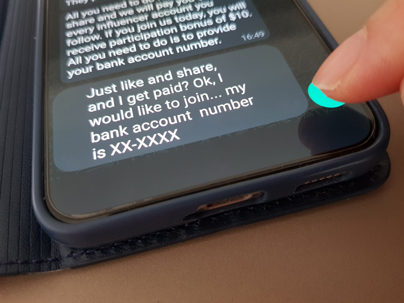
Screenshots have become one of the most common forms of digital evidence. A single image can capture a conversation, a social media post, a bank transfer, or a private message that someone believed would stay between two people.
Because screenshots can be taken instantly and shared widely, they often appear in criminal investigations. Someone may bring a screenshot to police as proof of a threat, harassment, a financial dispute, or alleged illegal activity.
But an important question follows: Can law enforcement arrest someone based on a screenshot alone?
The answer is more complicated than many people expect. A screenshot can raise suspicion, and in some situations it may contribute to probable cause. But screenshots are not always as reliable as they appear. Images can be edited, taken out of context, or interpreted incorrectly.
Understanding how screenshots are treated in criminal investigations requires looking at how evidence is evaluated, how arrests are authorized, and how digital information is verified.
Why Screenshots Appear Frequently in Criminal Investigations
Modern communication happens largely through digital platforms. Text messages, messaging apps, social media, and email often replace face-to-face conversations.
When disputes arise, people often document these exchanges by taking screenshots. A message that feels threatening or suspicious may be captured in an image before it can be deleted. These images sometimes become the first piece of information investigators see when someone files a report.
Screenshots frequently appear in cases involving:
- Allegations of harassment or threats
- Domestic disputes
- Fraud accusations or financial conflicts
- Theft or property disputes
- Social media conflicts that escalate into criminal complaints
In many situations, a screenshot becomes the starting point for an investigation rather than the final piece of evidence.
The image may raise questions, but it rarely tells the entire story.
The Problem with Treating Screenshots as Complete Evidence
At first glance, a screenshot can feel definitive. The words appear clearly on the screen, the sender’s name may be visible, and the conversation seems straightforward. However, digital evidence can be far more fragile than it appears.
Screenshots can be altered using basic editing tools. Text can be added, removed, or rearranged. In some cases, an image may represent only a small portion of a longer conversation that changes the meaning of what was said.
Timing can also become an issue. A screenshot may not show when a message was actually sent, or whether it was part of a larger exchange.
Even usernames and profile photos can create confusion. Many online platforms allow people to change display names or create accounts that resemble someone else’s identity. Because of these possibilities, investigators often need to verify digital information before relying on it fully. A screenshot may raise suspicion, but it usually needs additional context.
When a Screenshot Might Contribute to an Arrest
While screenshots are not always reliable on their own, they can still play a role in establishing probable cause.
Probable cause is the legal standard that allows police to make an arrest. It means that officers have a reasonable basis to believe a crime has occurred and that a specific person may be responsible.
A screenshot might contribute to probable cause if it appears to show:
- Direct threats of violence
- Admissions related to a crime
- Evidence of fraud or financial misconduct
- Messages coordinating illegal activity
However, in many cases officers will try to gather additional information before making an arrest. This might include interviewing witnesses, reviewing full message threads, examining phone records, or obtaining data directly from digital platforms.
The goal is to confirm that the information shown in the screenshot accurately reflects what actually occurred. Without that context, digital images can sometimes be misleading.
How Digital Evidence Is Verified
When screenshots become part of a criminal investigation, the next step often involves verifying their authenticity.
Investigators may attempt to obtain the original data from the device where the conversation occurred. In some cases, they may seek records directly from the service provider that hosts the messaging platform. This process helps determine whether the screenshot accurately reflects a real conversation.
Verification can involve examining:
- The full message history between the individuals
- Metadata associated with the communication
- Device records that confirm when messages were sent or received
- Account ownership and login information
If the original data differs from the screenshot, the credibility of the image may be questioned. This is one reason digital evidence frequently becomes a key issue during criminal defense proceedings.
When Digital Evidence Becomes a Legal Dispute
Screenshots often appear simple at first glance, but they can raise complex legal questions.
Defense attorneys may examine whether the image has been altered, whether it reflects the full context of a conversation, and whether investigators followed proper procedures when collecting digital information.
In some cases, the dispute is not about what the screenshot shows but about how it was obtained. Evidence collected in violation of constitutional protections may face legal challenges in court.
Because digital evidence can be copied, edited, and shared quickly, courts often require a careful review before accepting it as reliable proof. This process is where legal representation becomes especially important.
How The Law Offices of Daniel J. Miller Helps Clients Facing Criminal Charges
When digital evidence becomes part of a criminal case, the issues involved often extend far beyond the image itself. The key questions may involve authenticity, context, and whether investigators followed the proper legal procedures when gathering evidence.
At The Law Offices of Daniel J. Miller, we represent individuals facing a wide range of criminal charges, including DUI, drug offenses, domestic violence allegations, theft crimes, and fraud accusations. In many modern cases, digital communications and screenshots appear somewhere in the investigation.
Our role begins with a detailed review of the evidence involved. We examine how screenshots were obtained, whether the images accurately reflect the underlying communications, and whether investigators verified the information before relying on it. In some situations, additional digital records may provide context that changes how the evidence is interpreted.
We also review whether law enforcement followed constitutional rules when collecting electronic data. If evidence was obtained improperly, legal challenges may arise regarding how it can be used in court.
Every criminal case carries serious consequences for a person’s freedom, reputation, and future. Our team works closely with clients to explain the legal process, analyze the evidence presented, and develop defense strategies based on the specific circumstances of the case.
Looking Beyond the Screenshot
In the digital age, a single image can travel quickly and carry powerful implications. Screenshots often appear convincing, but they rarely capture the entire story.
Messages may have been edited, misunderstood, or taken out of context. Conversations may extend far beyond what the image shows. And digital platforms themselves can complicate questions about identity and authenticity.
Because of this, a screenshot alone does not always determine the outcome of a criminal case. Understanding how digital evidence works is an important step toward protecting your rights.
If you are facing criminal charges or an investigation involving screenshots or other digital evidence, The Law Offices of Daniel J. Miller can help you understand the legal issues involved and evaluate your options moving forward. Contact our office at (757) 267-4949 today to discuss your situation with our legal team.